



MAO-B
Monoamine oxidase B (MAO-B) is a mitochondrial enzyme responsible for the oxidative deamination of monoamine neurotransmitters, including dopamine and β-phenylethylamine, contributing to the regulation of synaptic neurotransmission[1][2]. Mechanistically, MAO-B generates reactive oxygen species (ROS) during substrate metabolism, which can influence oxidative stress and mitochondrial function in neurons[3][4]. Compared with MAO-A, MAO-B expression increases with aging and is particularly prominent in glial cells, establishing its distinct role in neurodegenerative processes[5][6]. In Parkinson’s disease models, elevated MAO-B activity in the substantia nigra pars compacta leads to dopamine depletion and motor deficits, making selective MAO-B inhibition a validated therapeutic strategy[7][8]. Selective inhibitors, including selegiline and rasagiline, bind covalently to the flavin adenine dinucleotide cofactor, irreversibly inactivating MAO-B while sparing MAO-A, which minimizes peripheral tyramine interactions[9][10]. Recent drug design efforts exploit structural scaffolds such as propargylamines, coumarin-pyridazine hybrids, and 2-phenylbenzofurans, achieving submicromolar potency, isoform selectivity, and favorable blood-brain barrier penetration[11][12][13]. For experimental applications, these inhibitors are used both as pharmacological tools to probe MAO-B function and as lead compounds in preclinical models of Parkinson’s and Alzheimer’s diseases[14][10]. Structural variations, such as β-methylation and para-substitutions on the aromatic ring, modulate binding conformation and substrate/inhibitor specificity within the MAO-B active site[15].
Références:
- [1]. Ribeiro LV, et al. Monoamine Oxidase Inhibitors in Drug Discovery Against Parkinson's Disease: An Update. Pharmaceuticals (Basel). 2025 Oct 10;18(10):1526. [Content Brief]
- [2]. Singh A, et al. Dietary Natural Flavonoids: Intervention for MAO-B Against Parkinson's Disease. Chem Biol Drug Des. 2024 Sep;104(3):e14619. [Content Brief]
- [3]. Finberg JP. Pharmacology of Rasagiline, et al. Pharmacology of Rasagiline, a New MAO-B Inhibitor Drug for the Treatment of Parkinson's Disease with Neuroprotective Potential. Rambam Maimonides Med J. 2010 Jul 2;1(1):e0003. [Content Brief]
- [4]. Youdim MB, et al. Monoamine oxidase: isoforms and inhibitors in Parkinson's disease and depressive illness. Br J Pharmacol. 2006 Jan;147 Suppl 1(Suppl 1):S287-96. [Content Brief]
- [5]. Legoabe LJ, et al. The Synthesis and Evaluation of C7-Substituted α-Tetralone Derivatives as Inhibitors of Monoamine Oxidase. Chem Biol Drug Des. 2015 Oct;86(4):895-904. [Content Brief]
- [6]. Rodríguez-Enríquez F, et al. Novel coumarin-pyridazine hybrids as selective MAO-B inhibitors for the Parkinson's disease therapy. Bioorg Chem. 2020 Nov;104:104203. [Content Brief]
- [7]. Turan-Zitouni G, et al. Synthesis and Evaluation of N‐[1‐(((3, 4‐Diphenylthiazol‐2 (3H)‐ylidene) amino) methyl) cyclopentyl] acetamide Derivatives for the Treatment of Diseases Belonging to MAOs. Journal of Chemistry. 2018;2018(1):3547942.
- [8]. Delogu GL, et al. MAO inhibitory activity of bromo-2-phenylbenzofurans: synthesis, in vitro study, and docking calculations. Medchemcomm. 2017 Jul 7;8(9):1788-1796. [Content Brief]
- [9]. Chatzipieris FP, et al. New Prospects in the Inhibition of Monoamine Oxidase‑B (MAO-B) Utilizing Propargylamine Derivatives for the Treatment of Alzheimer's Disease: A Review. ACS Omega. 2025 Jun 16;10(25):26208-26232. [Content Brief]
- [10]. Huang Y, et al. The adjuvant treatment role of ω-3 fatty acids by regulating gut microbiota positively in the acne vulgaris. J Dermatolog Treat. 2024 Dec;35(1):2299107. [Content Brief]
- [11]. Pathak M, et al. CCR9 signaling in dendritic cells drives the differentiation of Foxp3+ Tregs and suppresses the allergic IgE response in the gut. Eur J Immunol. 2020 Mar;50(3):404-417. [Content Brief]
- [12]. Carradori S, et al. Resveratrol Analogues as Dual Inhibitors of Monoamine Oxidase B and Carbonic Anhydrase VII: A New Multi-Target Combination for Neurodegenerative Diseases? Molecules. 2022 Nov 13;27(22):7816. [Content Brief]
- [13]. Shaldam MA, et al. Patents involving monoamine oxidase (MAO): a comprehensive update (2022-2025) on its inhibitors and applications. Expert Opin Ther Pat. 2026 Apr;36(4):363-387. [Content Brief]
- [14]. Sblano S, et al. A second life for MAO inhibitors? From CNS diseases to anticancer therapy. Eur J Med Chem. 2024 Mar 5;267:116180. [Content Brief]
- [15]. Fierro A, et al. Why p-OMe- and p-Cl-β-Methylphenethylamines Display Distinct Activities upon MAO-B Binding. PLoS One. 2016 May 6;11(5):e0154989. [Content Brief]
All Product Categories
-
MAO-B Produits associés (176)
Produits associés (176)

-
Tranylcypromine hydrochloride
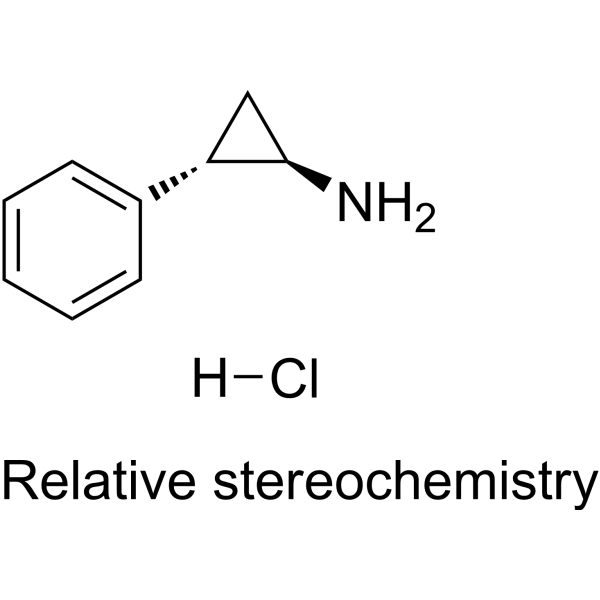 0 ImagesTranylcypromine hydrochloride (SKF 385 hydrochloride) is an irreversible inhibitor of lysine-specific demethylase 1 (LSD1/BHC110) and monoamine oxidase (MAO). Tranylcypromine hydrochloride inhibits LSD1, MAO A and MAO B with IC50s of 20.7, 2.3 and 0.95 μM, respectively. Tranylcypromine hydrochloride can be used for the research of depression.
-
Selegiline hydrochloride
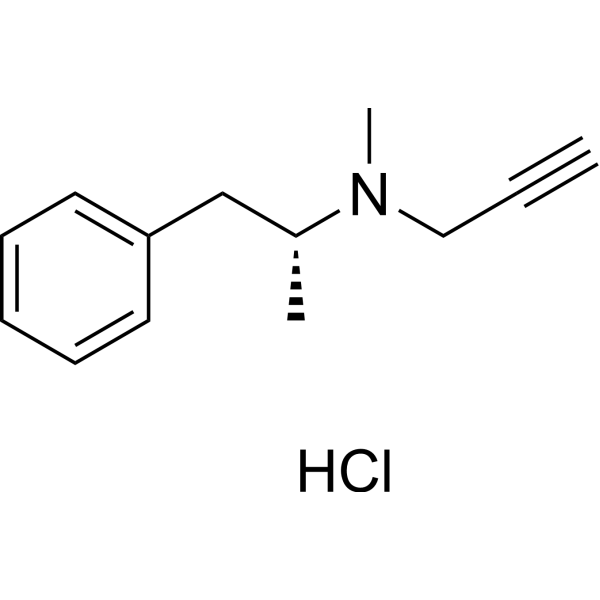 0 ImagesSynonyms: Deprenyl hydrochloride; (-)-Selegiline hydrochloride; (-)-Deprenyl hydrochlorideSelegiline (Deprenyl) hydrochloride is a potent, selective and irreversible inhibitor of MAO-B, with an IC50 of 51 nM. Selegiline hydrochloride exhibits 450-flod selectivity for MAO-B over MAO-A (IC50=23 μM). Selegiline hydrochloride can be used for the research of Parkinson's disease, Alzheimer's disease and major depressive disorder.
-
Norharmane
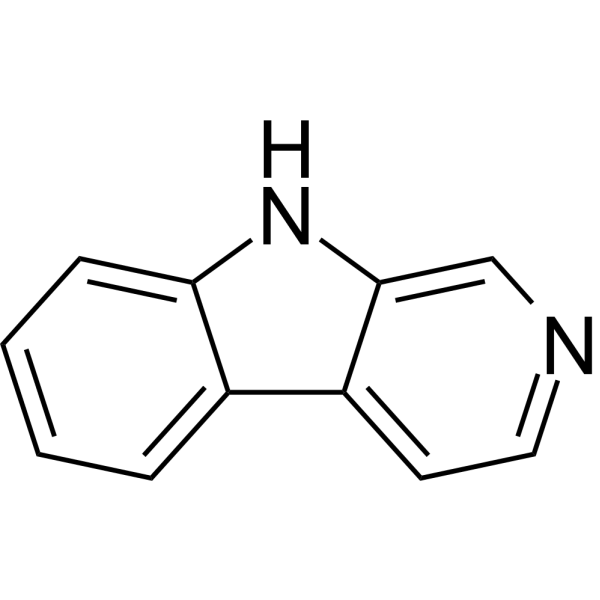 0 ImagesSynonyms: Norharman; β-CarbolineNorharmane (Norharman), a β-carboline alkaloid, is a potent and reversible monoamine oxidase inhibitor, with IC50 values of 6.5 and 4.7 μM for MAO-A and MAO-B, respectively. Norharmane causes antidepressant responses. Norharmane is also a prospective anti-cancer photosensitizer. Norharmane alters polar auxin transport (PAT) by inhibiting PIN2, PIN3 and PIN7 transport proteins, thus causing a significant inhibitory effect on the growth of Arabidopsis thaliana seedlings.
-
Pargyline
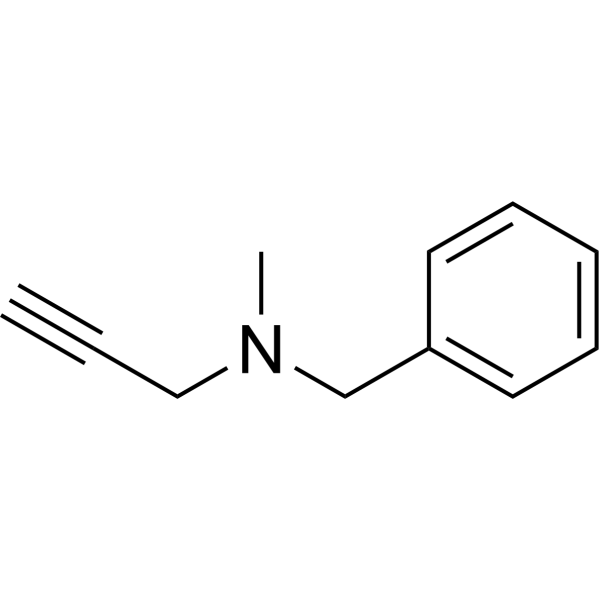 0 ImagesPargyline is an irreversible monoamine oxidase (MAO) inhibitor with Kis of 13 μM and 0.5 μM for MAO-A and MAO-B, respectively. Pargyline has antihypertensive and anticancer activities. Pargyline is a click chemistry reagent, it contains an Alkyne group and can undergo copper-catalyzed azide-alkyne cycloaddition (CuAAc) with molecules containing Azide groups.
-
Safinamide
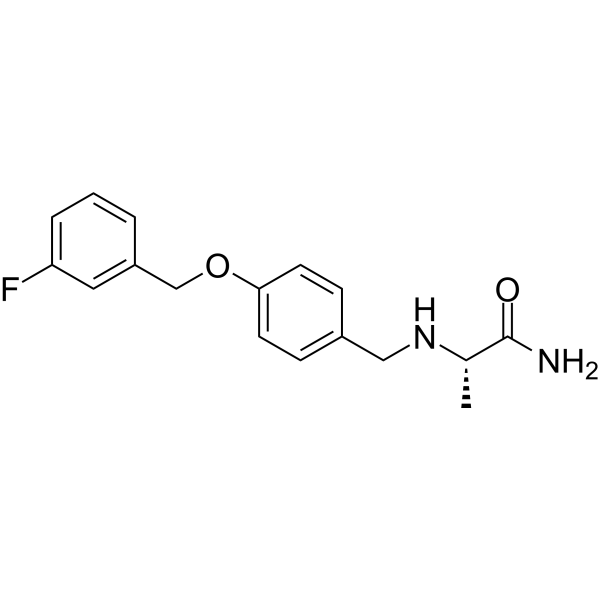 0 ImagesSynonyms: FCE 26743; EMD 1195686Safinamide is a potent, selective, and reversible monoamine oxidase B (MAO-B) inhibitor (IC50=0.098 μM) over MAO-A (IC50=580 μM). Safinamide also blocks sodium channels and modulates glutamate (Glu) release, showing a greater affinity at depolarized (IC50=8 μM) than at resting (IC50=262 μM) potentials. Safinamide has neuroprotective and neurorescuing effects and can be used for the study of parkinson disease, ischemia stroke etc.al.
-
1,4-Naphthoquinone
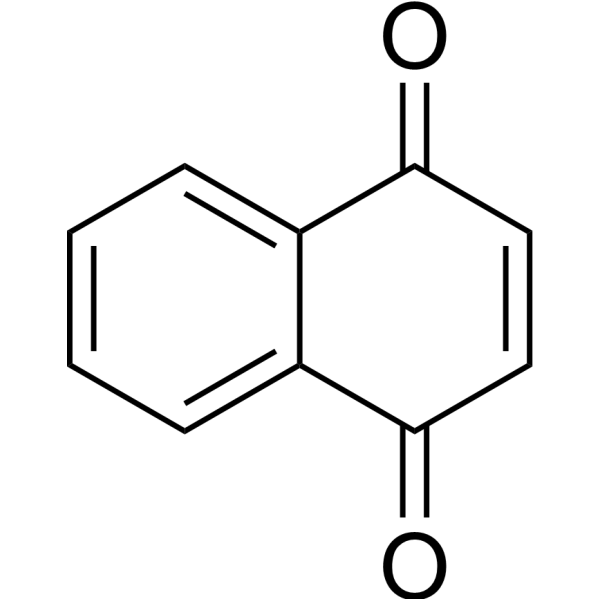 0 Images1,4-Naphthoquinone is an inhibitor with broad-spectrum inhibitory activity targeting DNA polymerase, NF-κB and monoamine oxidase (MAO-A/B), with antibacterial and anti-biofilm efficacy. 1,4-Naphthoquinone is a competitive inhibitor of MAO-B (Ki=1.4 μM) and a non-competitive inhibitor of MAO-A (Ki=7.7 μM). 1,4-Naphthoquinone inhibits DNA polymerase pol α, β, γ, δ, ε, λ with IC50 ranging from 5.57-128 μM. 1,4-Naphthoquinone inhibits tumor cell proliferation, induces apoptosis and necrosis, and has anti-angiogenic and anti-inflammatory activities by inducing oxidative stress, depleting glutathione (GSH), inhibiting DNA polymerase-mediated DNA synthesis and blocking NF-κB nuclear translocation. 1,4-Naphthoquinone can be used in anti-bacterial , anti-tumor and anti-inflammatory studies, including inhibition of melanoma and colon cancer cell growth and endothelial cell function, as well as LPS-induced inflammation models.
-
Ethaverine hydrochloride
 0 ImagesEthaverine hydrochloride is a Papaverine derivative and vasodilator. Ethaverine hydrochloride inhibits Phosphodiesterase, Tyrosine hydroxylase, and MAO-B. Ethaverine hydrochloride blocks L-type Ca2+ channels, reduces intracellular Ca2+ levels, inhibits platelet adhesion and aggregation, regulates cardiac conduction and heart rate, and increases peripheral and cerebral blood flow. Ethaverine hydrochloride alters cochlear microcirculation, intracochlear Po2, CM potential, and EP in guinea pigs, and induces transient hypotension. Ethaverine hydrochloride is used in the research of peripheral vascular diseases.
-
(R)-Safinamide
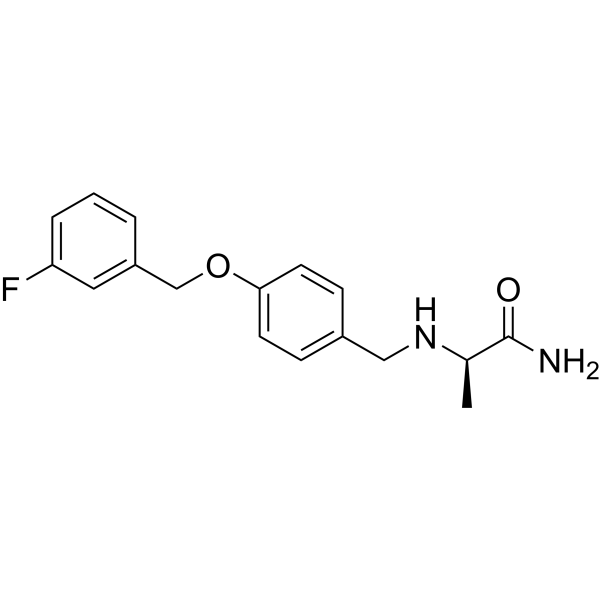 0 ImagesSynonyms: FCE 28073; (R)-EMD 1195686(R)-Safinamide (FCE 28073) is the enantiomer of Safinamide (HY-70057). (R)-Safinamide is an orally active, alanine-derived monoamine oxidase inhibitor with an IC50 of 1.77 μM for rat MAO-B and an IC50 of 50 μM for rat MAO-A. (R)-Safinamide regulates the activity of monoamine oxidase isoforms in brain homogenates. (R)-Safinamide is used in epilepsy research.
-
Pargyline hydrochloride
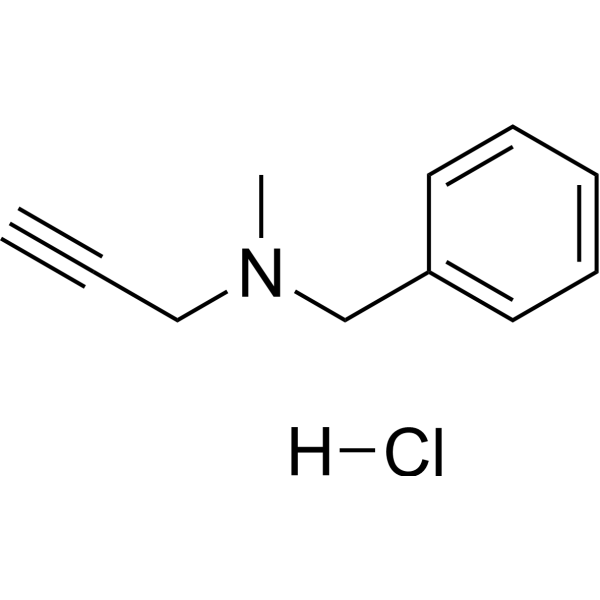 0 ImagesPargyline hydrochloride is an irreversible monoamine oxidase (MAO) inhibitor with Kis of 13 μM and 0.5 μM for MAO-A and MAO-B, respectively. Pargyline hydrochloride has antihypertensive and anticancer activities. Pargyline (hydrochloride) is a click chemistry reagent, it contains an Alkyne group and can undergo copper-catalyzed azide-alkyne cycloaddition (CuAAc) with molecules containing Azide groups.
-
Rasagiline
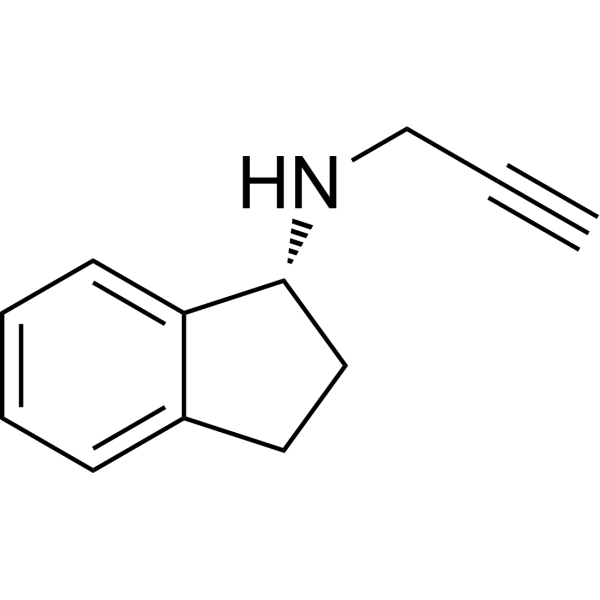 0 ImagesSynonyms: (R)-AGN1135; TVP1012Rasagiline (R-AGN1135) is a highly potent selective irreversible mitochondrial monoamine oxidase (MAO) inhibitor with IC50s of 4.43 nM and 412 nM for rat brain MAO B and A activity, respectively. Rasagiline is a click chemistry reagent, it contains an Alkyne group and can undergo copper-catalyzed azide-alkyne cycloaddition (CuAAc) with molecules containing Azide groups.
-
Harmane
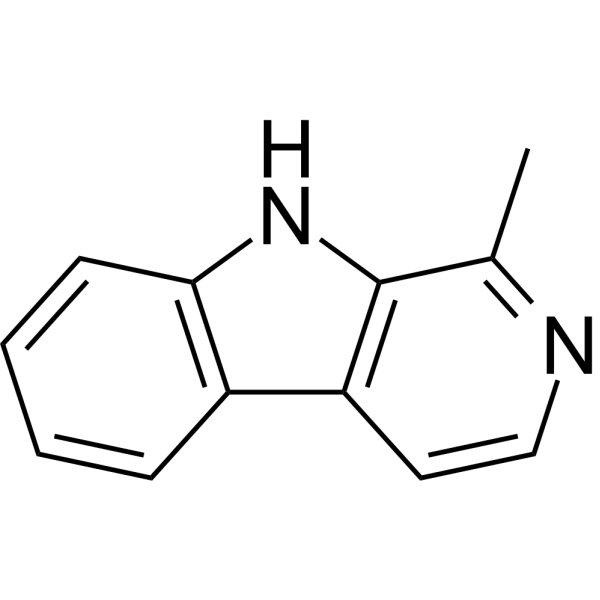 0 ImagesHarmane is a benzodiazepine receptor inhibitor (IC50=7 μM), with IC50 values for mACh, Opioid Receptor, MAO-A/B, and α2-adrenergic receptor of 24 μM, 2.8 μM, 0.5 μM, 5 μM, and 18 μM, respectively. Harmane inhibits the I1 imidazoline receptor (IC50 = 30 nM) to reduce blood pressure and has antidepressant, anti-anxiety, anticonvulsant, and analgesic effects. Harmane inhibits dopamine biosynthesis by decreasing tyrosine hydroxylase (TH) activity and enhancing L-DOPA-induced cytotoxicity in PC12 cells. Additionally, Harmane can increase the mutagenic effect induced by 2-acetylaminofluorene (AAF).
-
Rasagiline mesylate
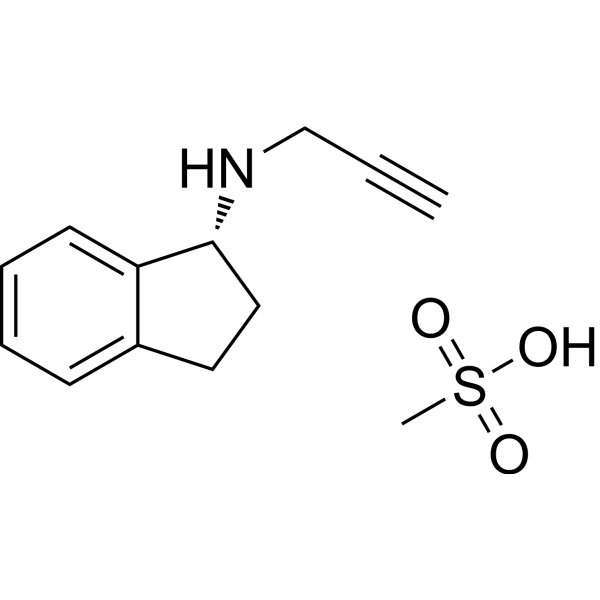 0 ImagesSynonyms: (R)-AGN1135 mesylate; TVP1012 mesylateRasagiline (R-AGN1135) mesylate is a highly potent selective irreversible mitochondrial monoamine oxidase (MAO) inhibitor with IC50s of 4.43 nM and 412 nM for rat brain MAO B and A activity, respectively. Rasagiline (mesylate) is a click chemistry reagent, it contains an Alkyne group and can undergo copper-catalyzed azide-alkyne cycloaddition (CuAAc) with molecules containing Azide groups.
-
Safinamide mesylate
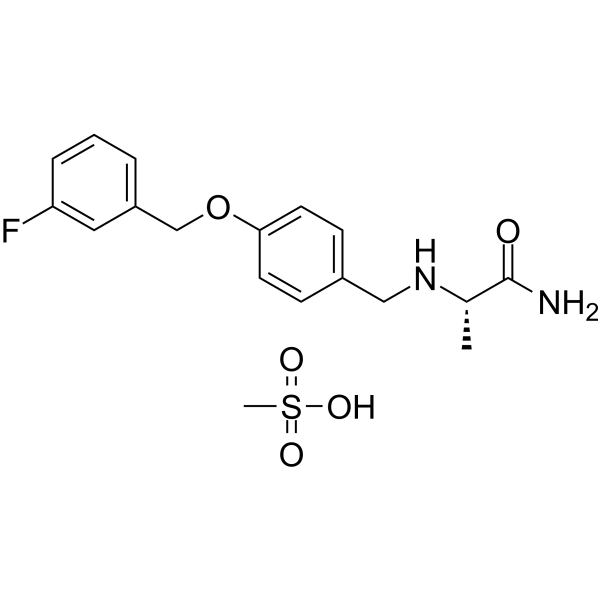 0 ImagesSynonyms: FCE 26743 mesylate; EMD 1195686 mesylateSafinamide (FCE 26743; EMD 1195686) mesylate is a potent, selective, and reversible monoamine oxidase B (MAO-B) inhibitor (IC50=0.098 μM) over MAO-A (IC50=580 nM). Safinamide mesylate also blocks sodium channels and modulates glutamate (Glu) release, showing a greater affinity at depolarized (IC50=8 μM) than at resting (IC50=262 μM) potentials. Safinamide mesylate has neuroprotective and neurorescuing effects and can be used for the study of parkinson disease, ischemia stroke et.al.
-
Maackiain
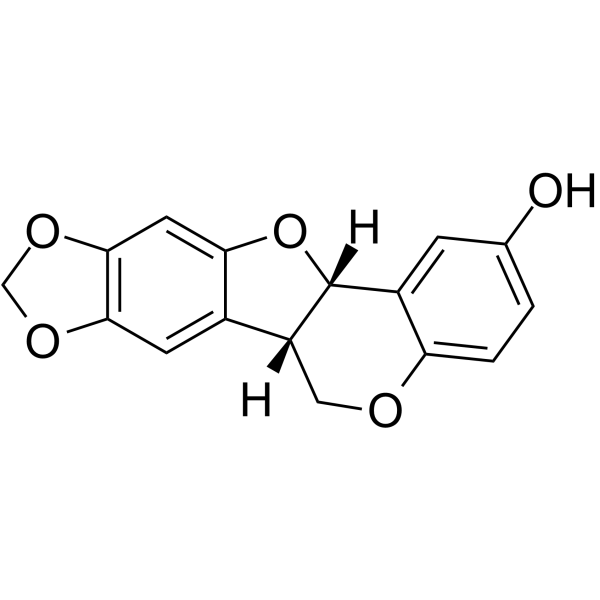 0 ImagesSynonyms: DL-MaackiainMaackiain (DL-Maackiain) is an orally active multi-target inhibitor with anti-tumor activity and neuroprotective effects. Maackiain activates the AMPK, NLRP3 and Nrf2/HO-1 pathways, and inhibits key targets such as NF-κB, mTOR, MAO-B, NFATc1 and PKCδ, thereby precisely regulating processes including apoptosis, autophagy and pyroptosis. Maackiain also effectively inhibits microglial activation, osteoclast formation, and proliferation and invasion of tumor cells, and protects dopaminergic neurons from damage. Maackiain is applicable to the research of various diseases such as Alzheimer's disease, osteoporosis, sepsis and dengue fever。
-
Tedizolid phosphate
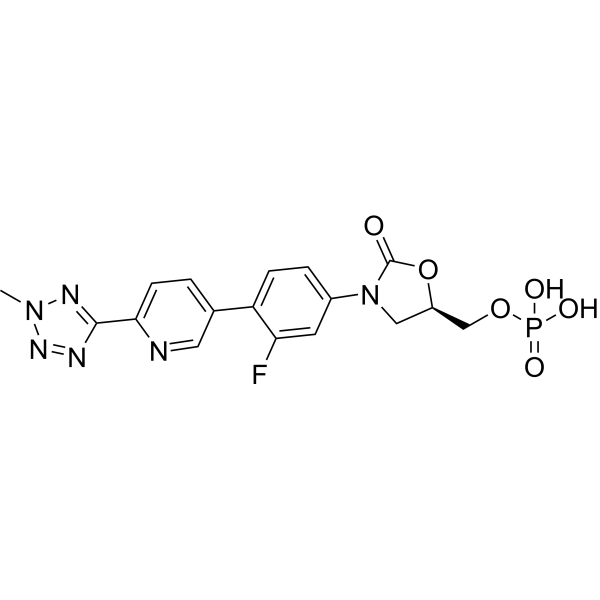 0 ImagesSynonyms: TR-701FA
-
(E)-8-(3-Chlorostyryl)caffeine
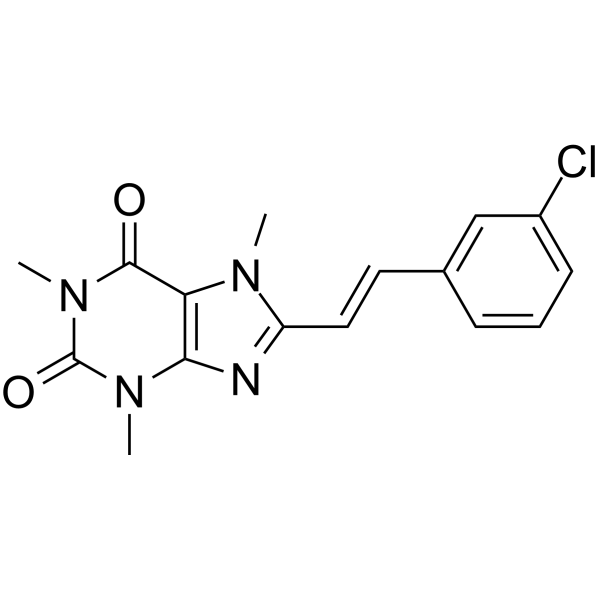 0 ImagesSynonyms: (E)-CSC(E)-8-(3-Chlorostyryl)caffeine is a selective adenosine A2A receptor antagonist. (E)-8-(3-Chlorostyryl)caffeine inhibits monoamine oxidase B (MAO-B) with a Ki value of 70 nM by a pathway that is independent of its actions on the A2A receptor. (E)-8-(3-Chlorostyryl)caffeine has the potential for Parkinson's disease research.
-
2'-Acetylacteoside
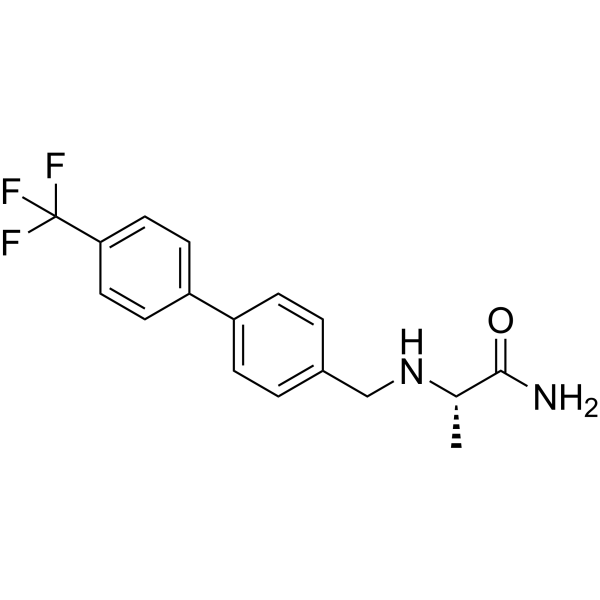
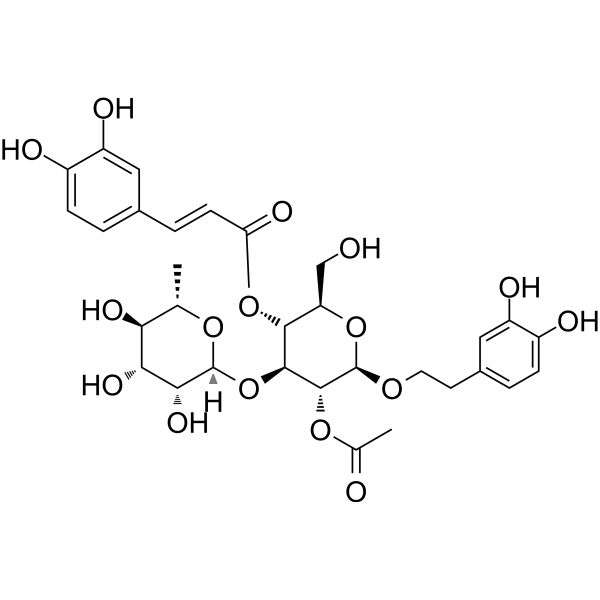 0 ImagesSynonyms: 2'-AA2'-Acetylacteoside (2'-AA) is a natural compound with oral activity and blood-brain barrier permeability. 2'-Acetylacteosideexhibits MAO‑B inhibitory activity (IC50 = 17.71 μM, Ki = 13.81 μM). 2'-Acetylacteoside downregulates the expression of RANK, TRAF6, NF‑κB, NFATc1 and IKKβ, disrupts the RANKL/RANK interaction, blocks downstream signaling pathways, and increases the level of phosphorylated Akt. 2'-Acetylacteoside possesses potent anti-osteoclastogenic, anti-bone resorptive, pro-neurogenic, neuroprotective and antioxidant activities. 2'-Acetylacteoside can be used in the research of osteoporosis, ischemic stroke and Parkinson's disease.
-
LSD1/HDAC6-IN-2
 0 ImagesLSD1/HDAC6-IN-2 (JBI-802) is an orally active LSD1/HDAC6/MAO-A inhibitor, with IC50 values of 5 nM, 11 nM, and 5 nM, respectively. LSD1/HDAC6-IN-2 can inhibit the growth of multiple myeloma cells MM.1S, MM.1R, and RPMI-8226. LSD1/HDAC6-IN-2 can be used for research on diseases such as acute myeloid leukemia and lymphoma.
-
Desmethoxyyangonin
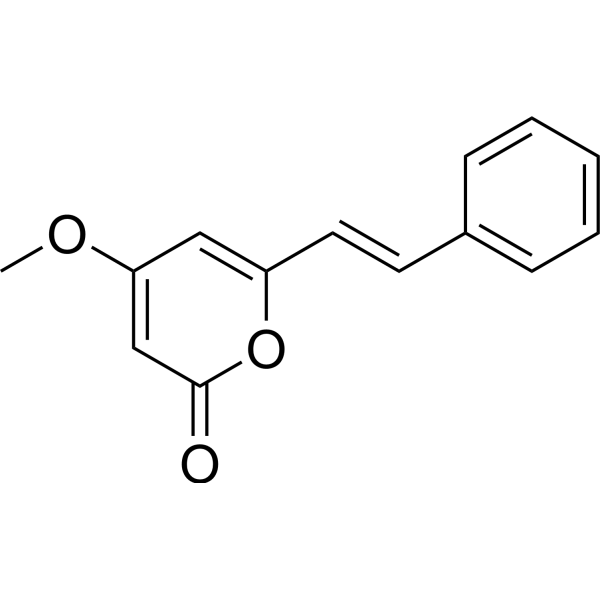 0 ImagesSynonyms: Demethoxyyangonin; 5,6-DehydrokavainDesmethoxyyangonin is one of the six major kavalactones found in the Piper methysticum (kava) plant. Desmethoxyyangonin is a selective inhibitor of monoamine oxidase-B (MAO-B) (IC50: 0.123 µM). Desmethoxyyangonin exerts anti-inflammatory effects by inhibiting Jak2/STAT3 and IKK signaling pathways. Desmethoxyyangonin induces CYP3A23 expression and leads to skeletal muscle relaxation.



